
nutrition
-
Hydration Doesn't Stop When It Gets Cold
By late October most of us are drinking less than we should.
-
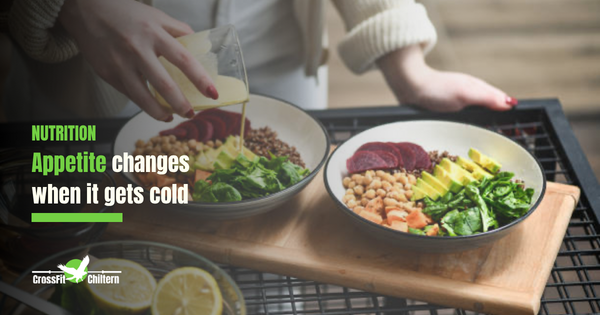
Appetite Changes When It Gets Cold
You are probably hungrier than you were in August. Appetite moves with the season. Less daylight, which affects mood and sleep, and both affect the hormones …
-
Soup, Stew and the Autumn Batch Cook
Autumn is fully here and this is when comfort food is king. Soup, stew, chilli, casserole, curry. One pot, low effort, enough for tomorrow.
-
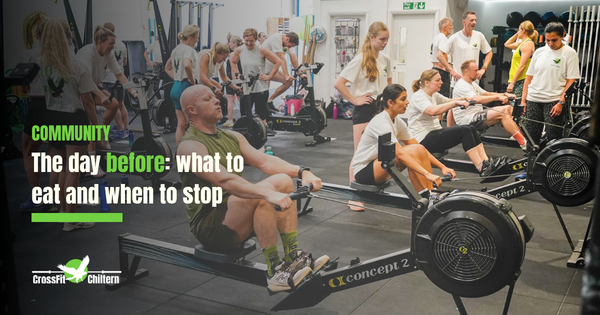
The Day Before: What to Eat and When to Stop
Move-Lift-Work is tomorrow. Nothing you do today makes you fitter. It’s like cramming in study the night before an exam, except you’ll be doing even more har…
-
Vitamin D From October to March
From the middle of October until the end of March, the sun in this country sits too low for your skin to make vitamin D from it.
-
The Plate, Not the App
If you want to eat better, do not start by downloading something. Two weeks in you are weighing porridge, guessing at a restaurant meal, and deciding the who…
-

Creatine: The Most Researched Supplement in Sport, Finally Explained Plainly
Creatine monohydrate has the unusual distinction of being simultaneously the most scientifically validated sports supplement available and one of the most persistently misunderstood by the people who could most benefit
-

Hunger vs. Habit: The Difference Between Eating and Feeding
Most people eat far more often in response to habit, environment, and emotional state than in response to genuine biological hunger. It is the outcome of a food environment specifically
-

The Ignite Approach: Why Nutrition Coaching Beats Nutrition Information
The problem with nutrition is not information. There has never been more information available about what to eat, when to eat it, how much protein to consume, which foods to
-

Magnesium: The Recovery Mineral Most Athletes Ignore
If you had to identify the single most under-addressed nutritional gap in the recreational athlete population, magnesium would be a strong candidate. Conservative estimates suggest that somewhere between fifty
-

Food Quality vs. Calorie Counting: Which Lever to Pull First
Two people eat 2,000 calories a day. One eats predominantly whole foods — meat, fish, eggs, vegetables, fruit, nuts, and some quality carbohydrate. The other eats predominantly processed food — cereal,
-

Intermittent Fasting: What the Evidence Actually Says
Intermittent fasting has been through several cycles of hype since it entered mainstream health culture, and it has generated enough opinion on both sides to make it difficult to assess